


ZHA Network Map: Built-In Visualization vs Third-Party Tools
ZHA ships a built-in Zigbee mesh map, though the menu path has moved. Where to find it, how to read it, and when the ha-zigbee-map HACS panel earns its install.
ZHA ships a built-in Zigbee mesh map, though the menu path has moved. Where to find it, how to read it, and when the ha-zigbee-map HACS panel earns its install.

LocalTuya, tuya-local, and Home Assistant's official Tuya integration are three different things. Which to install in 2026, and which fork to pick.

Both dongles run Zigbee2MQTT, but the ZBDongle-E's Ember adapter still isn't stable-tier while the ZBDongle-P works out of the box. Which to buy.

Aqara and Xiaomi Zigbee devices share a manufacturer, not a company. Here's what that actually means for pairing, hubs, and which brand to buy.

Read a LocalTuya guide and assumed you need a 'local key'? If your Tuya device is Zigbee, not Wi-Fi, you can skip that step. Here's the difference.
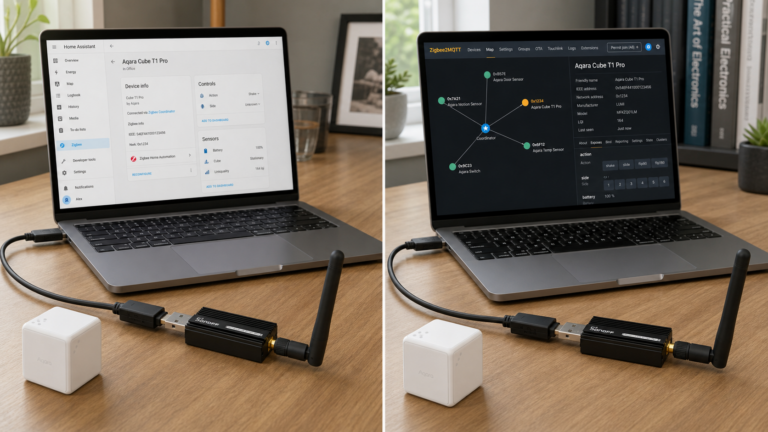
ZHA or Zigbee2MQTT for Aqara Zigbee devices? A device-specific comparison of setup, attribute exposure, quirks vs converters, and switching cost.
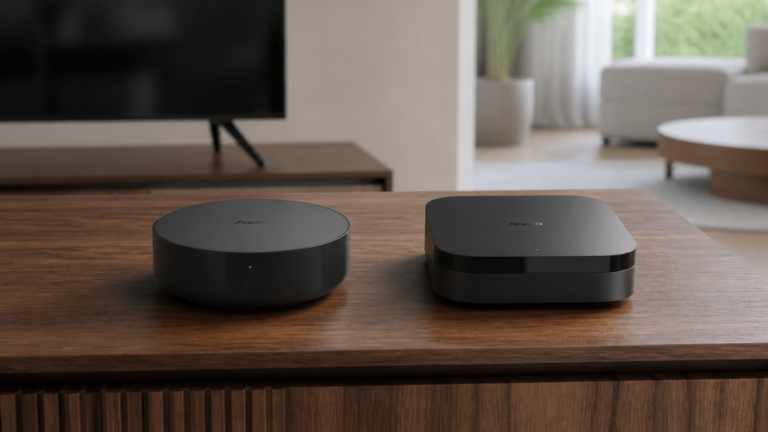
M2 and M3 aren't the same integration in Home Assistant. One uses HomeKit Controller, the other needs dual-stack. Here's the decision guide.
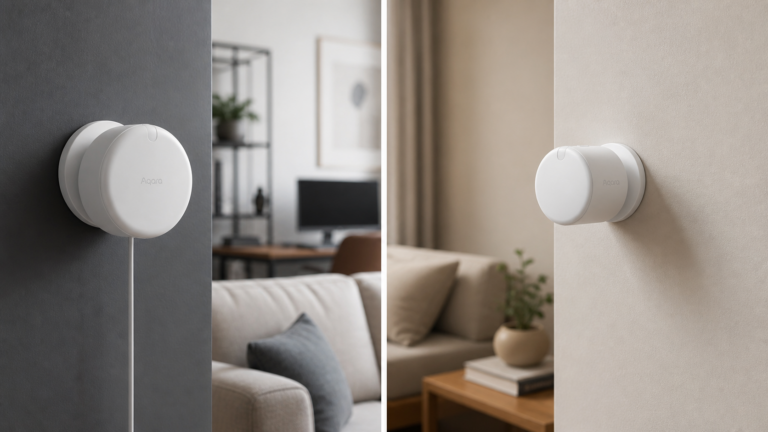
FP2 and FP300 are very different sensors with very different HA integration paths. The honest comparison for a local-first Home Assistant setup.
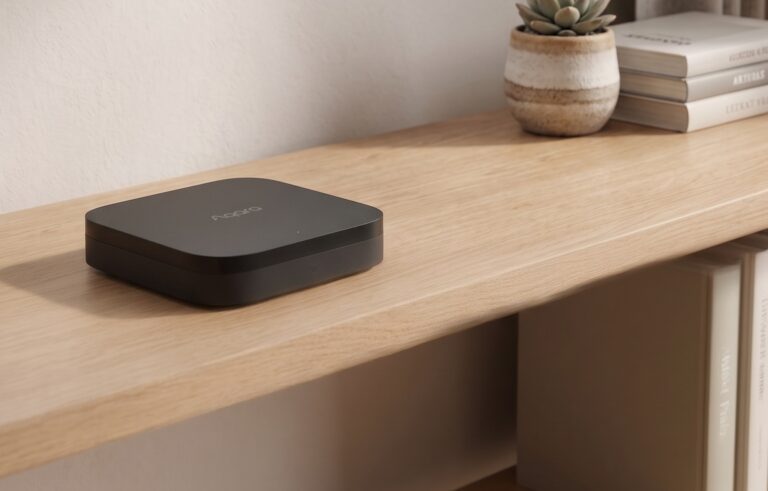
Both the Aqara M2 and M3 support local automation. The M3 adds a Thread border router, Matter controller features, and PoE. For Home Assistant, the useful comparison is which devices and controls each hub exposes, and which parts of your setup still need internet access. Below are the protocol differences, HA integration choices, and checks…