


eWeLink Privacy: What Data Does the App Actually Collect?
A plain-English breakdown of what eWeLink's own privacy policy discloses about device data, permissions, third-party SDKs, and where the data goes.
A plain-English breakdown of what eWeLink's own privacy policy discloses about device data, permissions, third-party SDKs, and where the data goes.

Sonoff's DIY Mode swaps eWeLink cloud control for a local HTTP API, no reflash needed. Which devices support it, and how to bring it into Home Assistant.

LocalTuya, tuya-local, and Home Assistant's official Tuya integration are three different things. Which to install in 2026, and which fork to pick.
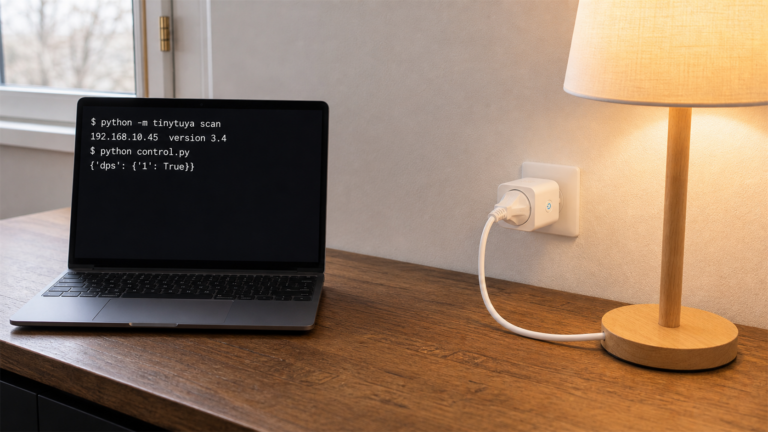
tinytuya lets you script and verify local control of Tuya Wi-Fi devices directly, without Home Assistant, LocalTuya, or tuya-local in the loop.

Xiaomi Cloud Tokens Extractor stuck in a 2FA login loop? Here's the update that clears it, the official checklist, and the DevTools workaround.

Read a LocalTuya guide and assumed you need a 'local key'? If your Tuya device is Zigbee, not Wi-Fi, you can skip that step. Here's the difference.

Tuya's own developer docs define three automation tiers with different offline reliability. Here's which one your Smart Life setup actually runs on.

The 'Tuya sends data to China' claim traces to a 2021 report. Here's what Tuya's own current documentation says about where your data actually goes.
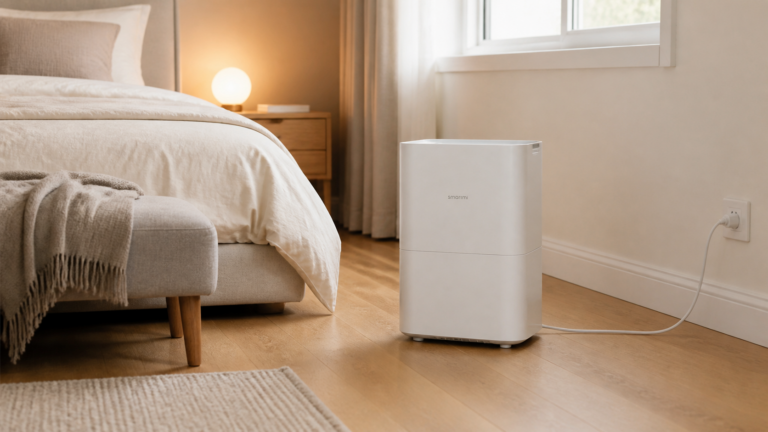
Set up the Smartmi Humidifier 2 (zhimi.humidifier.ca1/cb1) in Home Assistant with local polling, no Mi Home cloud. Includes the token-retrieval gotcha.

Some Mi Home scenes survive an internet outage. Others silently don't. Here's what actually decides local vs cloud execution, and how to check your own.